
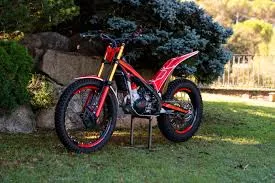
2027 TRRS ONE RR Trials Bike Revealed: Fuel Injection, Electric Start
TRRS has unveiled its 2027 ONE RR trials motorcycle, completing the latest stage in the evolution of its competition-focused range. The new model gets a striking visual refresh while retaining the advanced two-stroke engine introduced for the previous season, with buyers able to tailor the 250cc and 300cc versions with either a carburettor or electronic fuel injection and a choice of starting systems.
Rather than presenting the 2027 ONE RR as a completely new motorcycle, TRRS has built on the mechanical development of the previous generation. The latest version retains the platform's emphasis on precise handling, progressive power delivery and control, while its updated graphics give it a more distinctive racing appearance.
The choice of configurations is arguably the most interesting part of the announcement. Riders can select a traditional carburetted bike with kick-start, or opt for fuel injection and electric start. That flexibility gives the ONE RR appeal to competition riders who prefer mechanical simplicity as well as enthusiasts who value convenient starting and modern engine management.
What's new on the 2027 TRRS ONE RR?
The most visible change is the new graphics package, which gives the ONE RR a fresh identity for 2027. However, the bike's technical foundation remains an important part of the package.
TRRS says the engine introduced for the previous model year is designed to provide an accurate throttle response and progressive delivery across a range of trials conditions. That matters because trials riding is built around control rather than outright speed. Riders need to apply small amounts of power precisely when balancing, climbing rocks or lifting the front wheel over an obstacle.
The new model also benefits from continued development of the chassis, cooling system and supporting components. The latest specification includes revised frame components, lighter steering plates and a forged aluminium suspension linkage intended to improve rigidity and durability.
These changes are aimed at refining the relationship between rider and motorcycle. For experienced riders, improvements in chassis response and consistency can matter when negotiating difficult sections. For club riders, predictable handling can help build confidence and repeatability, although the actual difference will depend on riding conditions and personal preference.
Carburettor or fuel injection: which should you choose?
One of the most significant advantages of the 2027 ONE RR range is that TRRS is continuing to offer both carburetion and electronic fuel injection rather than making one technology compulsory.
Carburetted ONE RR: traditional and mechanically straightforward
The carburetted version will appeal to riders who prefer a familiar two-stroke setup and value mechanical simplicity. Carburettors are well understood by many trials enthusiasts, and riders who already have experience maintaining this type of system may prefer to stick with what they know.
For club competitors who maintain their own motorcycles, familiarity can be a genuine advantage. The carburetted option also keeps the choice open for riders who simply enjoy the feel and character of a traditional trials engine.
That does not mean a carburettor is automatically easier or cheaper to own in every circumstance. Setup and maintenance still matter, and the right choice depends on the rider's experience and preferences.
Fuel-injected ONE RR: a more electronically managed engine
The fuel-injected versions use a TRRS-developed injection body and a dedicated throttle cable, with the system designed to provide a linear, progressive response. The injection models also feature a revised electrical system, a lighter dedicated battery and compatibility with TEXA diagnostic equipment.
For riders interested in newer engine-management technology, this is an important part of the package. Electronic fuel injection changes how fuel delivery is controlled, while diagnostic compatibility may be useful when investigating faults or carrying out dealer-supported servicing.
However, TRRS has not supplied comparative figures showing a power increase, a measurable fuel-economy improvement or a quantified reduction in maintenance costs over the carburetted version. Buyers should choose injection for its particular characteristics and equipment, rather than assume it will automatically be faster or better for every rider.
Our take: The carburetted model makes sense for traditionalists who like a familiar mechanical setup. The injected version is worth considering for buyers who prefer electronic engine management and want the associated diagnostic features. Neither choice should be treated as universally superior without a direct ride comparison.
Electric start or kick-start?
TRRS also gives buyers a choice of starting system on the 250cc and 300cc models. Both carburetted and injected versions are available with electric start or a conventional kick-start, allowing riders to select the setup that best suits their needs.
Electric start is especially appealing in trials, where a rider may stall while balancing on a steep climb or make repeated attempts at a difficult obstacle. Being able to restart the engine using a button can make those situations less frustrating and help keep the focus on the section ahead.
It may be particularly useful for riders who spend long days practising or exploring rather than competing exclusively in formal trials. Convenience is not just about comfort: when a bike stalls in an awkward position, an easier restart can help the rider get moving again without having to reposition the motorcycle for a kick-start.
The kick-start model still has its appeal. Riders who value a more traditional setup and prefer to avoid the extra electrical components may be happy with the conventional system. The decision is ultimately about personal preference, the type of riding involved and how much convenience matters to the buyer.
Chassis, suspension and cooling updates
The ONE RR uses an aluminium twin-beam frame and TECH suspension. The listed specification includes a 39mm front fork with 175mm of travel and a TECH TJ3 GP two-way rear shock, giving riders suspension components designed for the precise movements demanded by trials.
TRRS has continued to develop the chassis structure and steering plates, with weight reduction among the aims of the latest design. The rear suspension linkage is made from forged and anodised aluminium, with the company targeting improved rigidity and durability.
Trials riders put substantial demands on a motorcycle's chassis. Accurate steering and a predictable response can help when changing direction in a tight section or positioning the wheels on uneven rock. The goal is not simply to make the bike lightweight, but to provide a consistent feel that allows riders to place it where they want.
The cooling system has also received attention. The latest specification includes an updated radiator assembly, a redesigned protective component, a new-generation fan and rubber mounting elements intended to improve support and isolate vibrations. The water pump has also been revised, while the electric starter receives a machined support designed to improve robustness.
These are practical development areas for a motorcycle that may spend extended periods moving slowly through technical sections. Effective cooling and durable supporting components are important when airflow is limited and riders are repeatedly working the engine at low speeds. The manufacturer's published information does not quantify a temperature reduction or a specific durability gain, but it does identify cooling and component reliability as priorities.
2027 TRRS ONE RR specifications
| Specification | Details |
|---|---|
| Engine | Single-cylinder, two-stroke |
| Available capacities | 125cc, 250cc and 300cc in UK dealer listings |
| Fuel system | Keihin carburettor or electronic fuel injection, depending on version |
| Starting system | Kick-start or electric start, depending on version |
| Gearbox | Five-speed |
| Clutch | Hydraulic-operated, multi-plate wet clutch |
| Frame | Aluminium twin-beam chassis |
| Front suspension | 39mm TECH fork, 175mm travel |
| Rear suspension | TECH TJ3 GP two-way shock |
| Front brake | 185mm disc with four-piston Braktec calliper |
| Rear brake | 150mm disc with two-piston Braktec calliper |
| Fuel capacity | 2.3 litres |
| Listed weight | 69kg, with exact configuration to be confirmed |
| Tyres | Michelin X11 |
| Other equipment | Two power maps, S3 footpegs and compressed cylinder head listed in the specification |
Specifications can vary between engine sizes and configurations, so buyers should check the exact model specification with their dealer before ordering.
Which TRRS ONE RR is best for beginners and experienced riders?
125cc: for developing technique
The 125cc version is worth considering for developing riders who want to focus on balance, clutch control and accurate throttle use. A smaller engine can encourage good habits without relying on the characteristics of a larger-capacity motor to clear obstacles.
It is not necessarily the easiest option for every adult beginner, however. Rider size, experience and the type of terrain all influence which capacity is most suitable. Riders who already have strong off-road skills may prefer a larger engine, while newcomers should prioritise control and confidence over capacity alone.
250cc: an all-round option for club riders
The 250cc ONE RR is likely to be a strong candidate for riders who want one bike for practice and club competition. It offers a middle ground in the range and can suit those progressing into more demanding sections without automatically moving to the largest engine.
For many riders, the 250cc option is worth comparing first, particularly if they want a competition-focused motorcycle they can continue to develop with. Choosing between carburetion and injection, and between kick-start and electric start, then allows them to tailor the package to their own preferences.
300cc: for riders who want a larger-capacity trials engine
The 300cc model is aimed at riders who prefer the characteristics of a larger-capacity two-stroke. It may suit experienced competitors and those tackling demanding terrain who are already comfortable managing the engine's response with the throttle and clutch.
More capacity does not automatically make a trials bike easier. Precise power control is essential, and the best choice is the one that allows the rider to maintain traction and balance throughout a section. A confident rider who prefers a 300cc engine may value its character, but a beginner should not feel compelled to choose the biggest model.
2027 TRRS ONE RR UK prices
UK dealer listings from John Shirt Motorcycles currently show the following recommended retail prices for the 2027 range:
| Model | Listed RRP |
|---|---|
| ONE RR 125cc | £6,849 |
| ONE RR 250cc | £7,195 |
| ONE RR 300cc | £7,195 |
| ONE RR 250cc / 300cc electric start | £7,599 |
| ONE RR Injection 250cc / 300cc | £7,595 |
| ONE RR Injection 250cc / 300cc electric start | £7,995 |
Prices are dealer-listed RRPs and may change, so it is worth confirming the current price, availability and exact specification with a UK TRRS dealer.
Our verdict: meaningful choice rather than a complete redesign
The 2027 TRRS ONE RR builds on the previous generation rather than starting again. Its new graphics provide a fresh look, while the developed chassis and cooling components carry forward the mechanical evolution of the platform.
The most compelling part of the range is the freedom to choose how the motorcycle is fuelled and started. Riders who prefer a familiar carburettor and kick-start can retain that approach, while those wanting electronic fuel injection and easier restarting can specify a more modern configuration.
For many club riders, the 250cc model is a sensible starting point for comparisons. The 125cc is worth consideration for technique-focused riders, while the 300cc will appeal to those who prefer its larger-capacity two-stroke character. There is no single configuration that will suit every rider, and the ability to customise the ONE RR is a genuine advantage.
The 2027 update is not a dramatic overhaul, but it reinforces the ONE RR's position as a configurable, competition-oriented trials motorcycle. For buyers looking for a new trials bike, the question is less about whether the graphics are different and more about choosing the engine and starting combination that suits their riding style.